How to Build Your Author Identity: 12 Shifts to Become the Writer You’re Meant to Be

Becoming the writer you’re meant to be isn’t just about learning craft.
It’s about identity. The way you see yourself. The way you treat your creative time. The way you speak to yourself when no one else is listening. Your author identity is the foundation beneath every word you write.
When you shift how you identify as a writer, your confidence grows naturally. And when you feel confident in a thing, you want to do it more. Wanting to do it more reduces procrastination and increases that beloved consistency we writers are always wanting.
See where I’m going with this?
Writing gets to be easier (which is a passion of mine). And when things are easy, we are less fearful, less likely to put them off, and writing becomes a part of who we are.
Sound great? I thought so.
In this guide, you’ll discover twelve powerful identity shifts that help you step fully into the writer you’re becoming—it’s okay if you’re not her yet. I’m going to give you some solid advice on how to cultivate that identity.
Save this, return to it often, and let each section support you in becoming the woman who writes with devotion, courage, and pleasure. 💛
1. Claim Your Identity Before Your Results Arrive

Your creative life begins to transform the moment you stop waiting for the world to tell you that you’re a writer and start behaving like the writer you dream of being. In other words, you don’t need a New York Times bestseller title to start practicing that identity.
Identity precedes physical evidence. When you think, speak, and make decisions as a writer before the book deal, before the bestseller list, your nervous system begins to accept writing as part of who you are.
This means calling yourself a writer now. It means choosing actions from an identity of the NYT Bestseller you are in your imagination. Once you’ve become “her,” you can schedule your days based around “her” priorities. The more often you show up as the writer you are becoming, the faster your outer world catches up.
2. Joy > Hustle

Creative work thrives when you are enjoying what you do. When you honor your emotions and energy instead of pushing through exhaustion, writing becomes sustainable and nourishing. Joyful productivity is about listening to your body and your intuition.
Some days that might mean writing in shorter, focused sessions. Or leaving your writing sanctuary to take a walk and soak in the world around you. Allowing pleasure and beauty to be part of your process can be incredibly powerful.
Your creativity flows when you allow yourself to rest when you need to rest. The day after I have taken a break is usually the day I am the most productive. I’m learning to honor that rhythm.
3. Align Your Goals With Who You Are
Goals that come from comparison or pressure tend to feel pretty heavy, which makes us resist going after them. But goals that come from who we are authentically are magnetic. Which means they draw to us the experiences we would love most. Allow your creative ambitions to reflect your true values and desires, and then you won’t have to stop and search for your motivation.
Journaling questions:
What kind of writing life actually feels good to you?
What pace honors the season of life you’re experiencing now?
What kind of success would make you feel peaceful, proud, and fulfilled?
When your goals align with your truth, your identity as a writer strengthens and your path becomes clearer.
4. The Comparison Trap
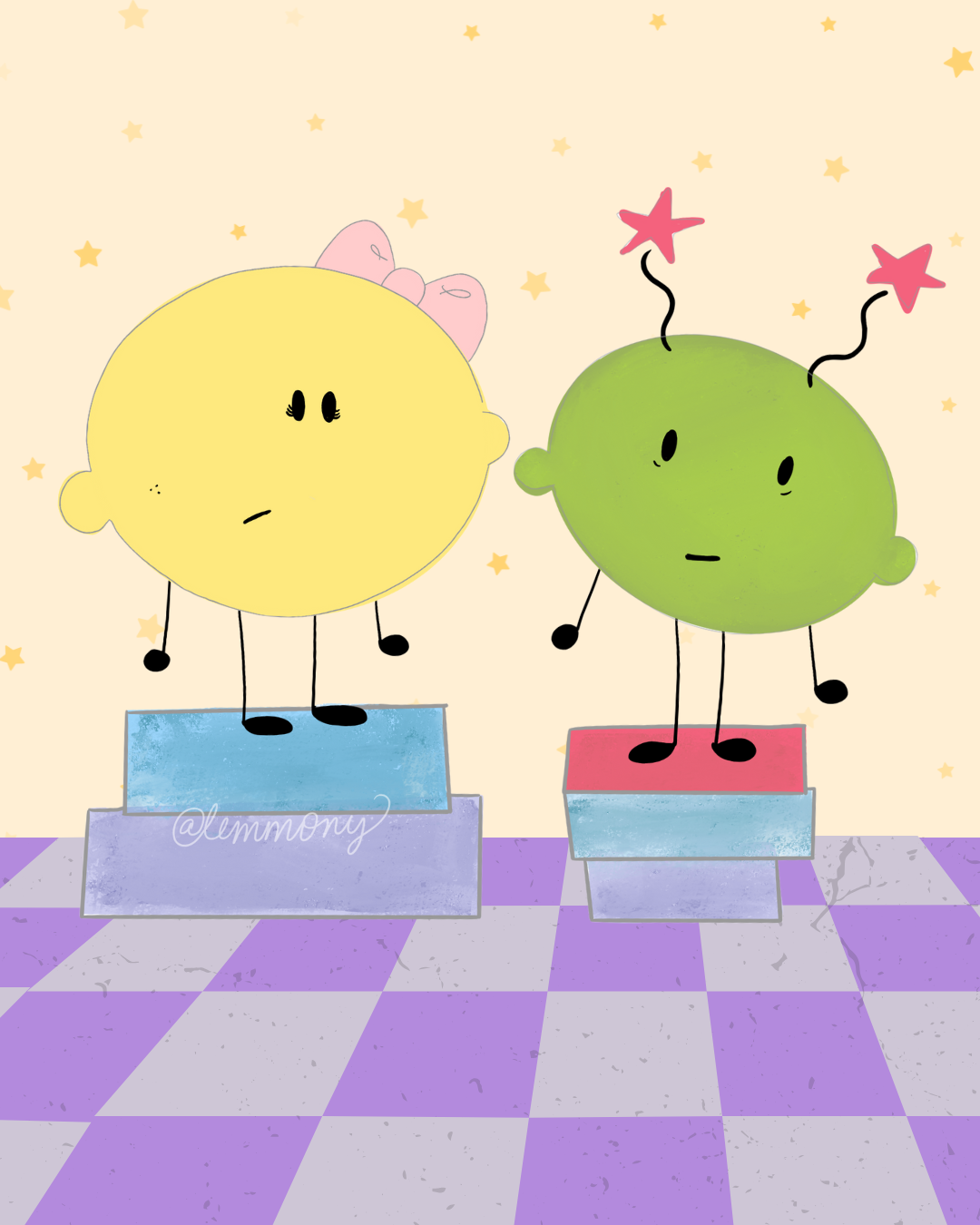
Comparison can either shrink you or expand you. When used consciously, it becomes a mirror that shows you what is possible—for you, and the writer you’re comparing yourself to!
Notice what inspires you about other authors. Is it their consistency? Their confidence? Let those qualities remind you of what your ideal writer identity is instead of making you shrink away. They are your lighthouses, showing you all that is possible, and steering you toward your dreams.
5. Is “Writer’s Block” a Real Thing?

Only if you decide it’s real! Writer’s block isn’t every author’s truth. It certainly isn’t mine. When you believe you’re stuck, you are, so why put that nonsense into your beautiful, creative brain? Fueling the belief that you’re blocked can make you procrastinate and resist. We don’t want that.
Instead, why not identify as someone who always finds her way—whether she writes 5 words or 5,000. Since your beliefs shape your experience, you might as well choose the ones that support you rather than hinder you.
6. Kick Fear’s Butt (5 Simple Tips)

Fear appears whenever something meaningful is at stake. Which means that if it scares you, it is likely very important to you. Which is a good thing!
In this blog, I will give you five simple ways to kick fear in the arse, which will in turn make you feel like a badass. To write with confidence we have to gain a bit of it, and to gain it, we have to take action. But action doesn’t have to mean writing thousands of words in one sitting or sharing our first three chapters with a critique partner. It can be the tiniest, itty-bittiest things that move us forward.
Courage grows when you show up in small ways as well as big, so why not take it easy on yourself?
7. Express Yourself—Your True Self

I’m not built to be just one thing. Maybe you aren’t either.
I am still a romance author, a coach and teacher, a course creator and I founded a membership for readers and writers, some of whom also identify as multi-passionate creatives. I offer tarot readings, top tier mentorship for writers, and I’m a blogger.
Give yourself permission to explore, experiment, and express yourself fully. If that means doing one thing really well, go for it. But if it means leap-frogging from one passion to the next, well, that’s okay too. Trust in who you are, and honor your own rhythm.
8. It’s Okay to Grow Slow

In a culture obsessed with speed, choosing steady, sustainable growth can feel scary. But if you are building a career as an author, you will need to set a pace you can live with long-term. I will say this: There is no right way.
It’s totally cool to take advice and test methods that have worked for other authors. Experimenting with ads, social media platforms, or trying different paths of publishing is a great idea to see what works for you and what doesn't. In the end, it’s going to come down to what you enjoy—how you like to run your business, and of course, whether or not it was profitable for you.
9. Speak to Yourself Like a Writer Who Believes
In this affiliate post, I discuss why I am so drawn to empowering jewelry. The words you speak internally shape your life, so why not wear them too? Putting on a necklace that says “I am f***ing powerful” does indeed make me feel powerful! And so, I made it part of my ritual to connect with my author identity who is kicking some major ass.
These beautiful designs help to replace inner criticism with outer support.
10. Create Rituals That Connect You to Your Inner Voice

Journaling gives me a safe space to reprogram my subconscious thoughts, to vent (when my human is unhappy), and to ask things like: What am I feeling? Where is this feeling coming from? Is this even mine?
As a writer, writing words helps me unpack and understand what I’m feeling. In this blog, I chat about how my blend of whimsy and reflection works for me. This simple daily practice can help you deepen the relationship with your inner world, which in turn helps you to express yourself more fully in your writing.
11. Reset Your Energy When the Words Feel Stuck
Some mornings, meditation just doesn’t cut it.
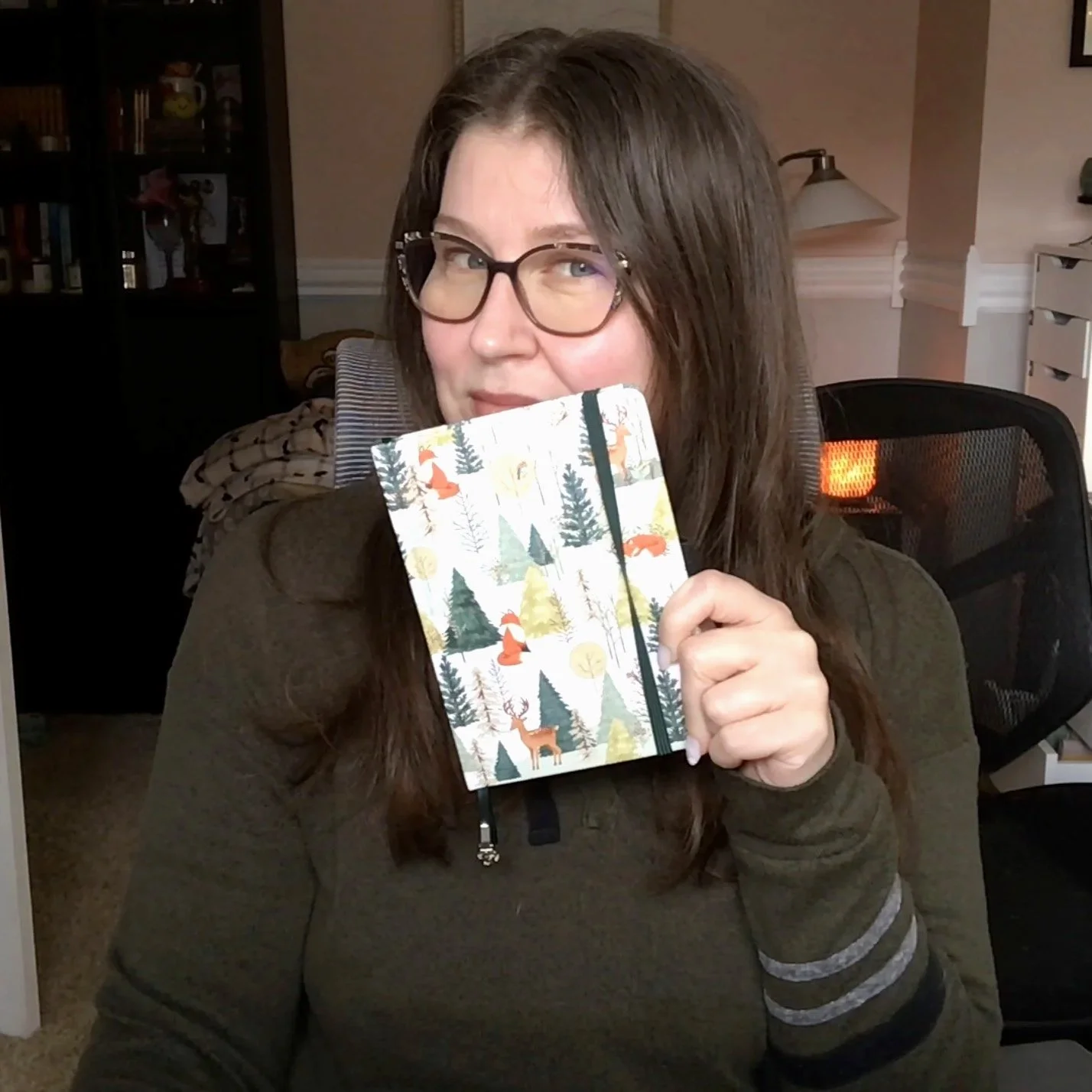
I know it works wonders for a lot of people, but when my mind is busy or my emotions feel tangled, I need to write. Maybe it’s because I’m a writer. Holding a pen allows me to see the words on the page, and helps me to understand what’s happening on the inside.
I have learned that tending to my nervous system is a multi-faceted practice, with journaling at the top of the list. (This blog also has an accompanying video.)
12. Cultivate a Visually Stunning Brand

Your personal brand aesthetic is a reflection of your author identity. The colors, style, and imagery you choose can either reinforce who you are, or distract from it. In this post, I share the top three powerhouses I can’t live without, and why branding is so important for you as an author.
At the end of the day, you want your brand to be an authentic reflection of who you are as a writer. The right visuals can help you build that connection with your readers, and they can make your brand feel more cohesive, professional, and approachable.
That’s it! Be sure to save this post, and return to it whenever you want to plug in to your own author identity.
Let each section be a gentle invitation back into your truth, your joy, and your creative power.
xo, Jessica 🍋✨